
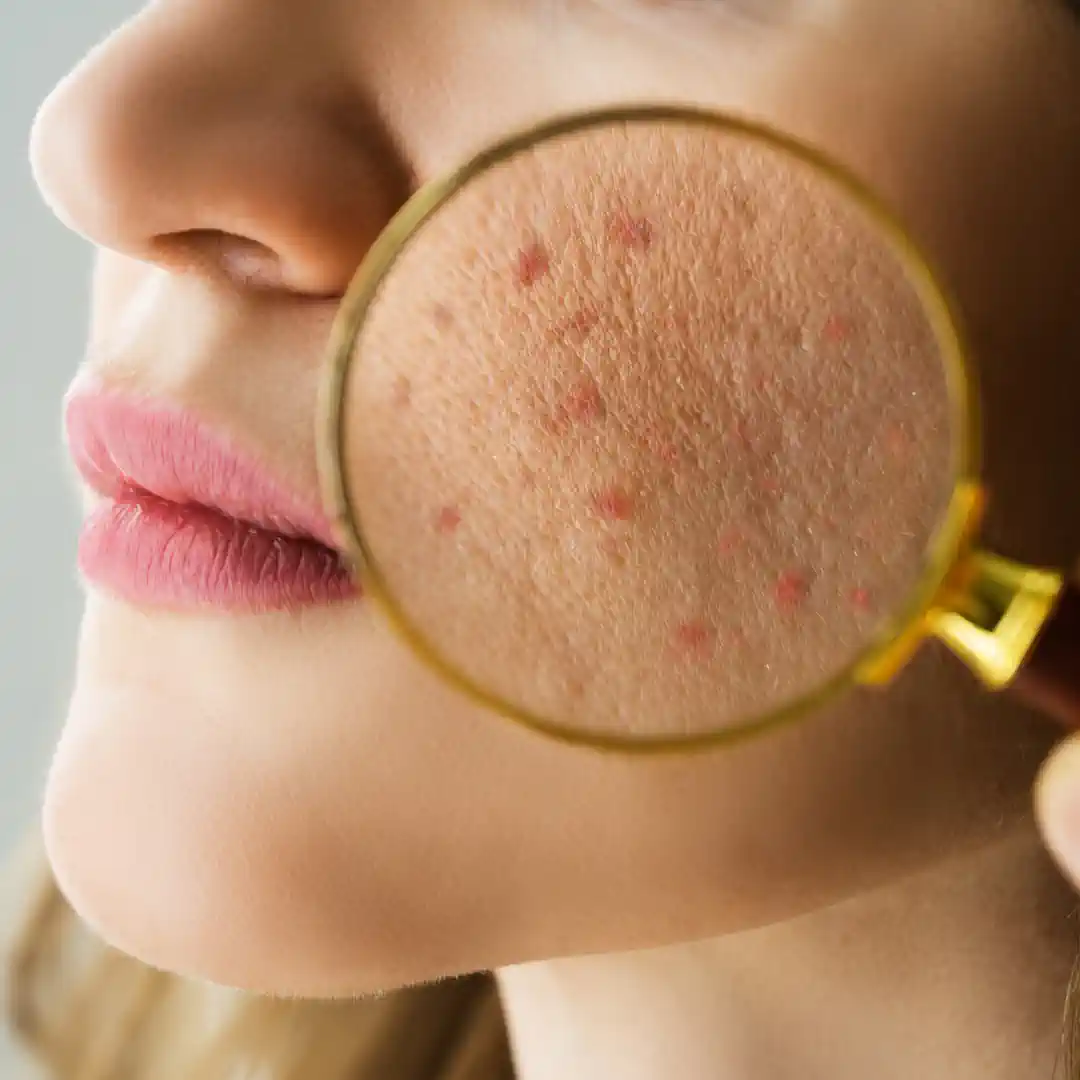
Why Do Pimples Form and How Can They Be Treated? | Effective Acne Care Tips
Acne is a common skin problem that often begins during adolescence and can persist into adulthood. Affecting both our physical appearance and our self-confidence, acne can be controlled with the right skincare routine and effective products. So, why does acne form and how can it be treated? In this article, we will discuss the causes of acne, prevention methods, and anti-acne skincare routines in detail. We will also share the ingredients and usage instructions for our products specifically developed to combat acne problems.
Common types of acne: Blackheads, whiteheads, papules, pustules, cysts, and nodules.
What is Acne?
Acne, medically known as pimples, is an inflammatory or non-inflammatory bump on the skin caused by overactivity of the oil glands and clogged pores. It is commonly seen on the face, back, chest, and shoulders. Acne can appear in various forms, from mild blackheads and whiteheads (comedones) to severe cystic acne.
Why Do Acne Form?
The main cause of acne is the excessive sebum (oil) production by the skin's oil glands and the clogging of pores with dead skin cells. However, there are many factors that trigger this process. Here are the main causes of acne:
1. Hormonal Changes
Puberty, the menstrual cycle, pregnancy, or hormonal imbalances cause the oil glands to work more actively. This leads to excessive oiliness and acne formation.
2. Genetic Predisposition
People with a family history of acne are more likely to develop acne. Genetic factors can affect the skin's oil production and pore structure.
3. Incorrect Skincare
Using products unsuitable for the skin's needs, excessively drying the skin, or not cleansing it sufficiently can trigger acne formation. It is especially important to avoid comedogenic (pore-clogging) products in oily skin.
4. Stress
Stress disrupts the body's hormonal balance, causing the oil glands to work more actively. This can also increase acne formation.
5. Environmental Factors
Air pollution, humidity, makeup, and sweating all contribute to clogged pores and the formation of acne.
How to Get Rid of Acne? Effective Methods
Using the right skincare routine and effective ingredients is essential to getting rid of acne. Here are the steps to follow to prevent and treat acne:
1. Cleanse Your Skin Regularly
Cleansing your skin twice a day (morning and evening) prevents clogged pores. A Revitalizing, Purifying, Refreshing, and Moisturizing Facial Cleansing Gel deeply cleanses the skin with natural AHAs and enzymes while maintaining the skin's moisture balance. This gel is ideal especially for acne-prone skin.
2. Use Anti-Acne Serums
Serums containing ingredients such as salicylic acid, niacinamide, and zinc PCA dry out acne and reduce inflammation. The Anti-Acne Skin Care Serum, with its salicylic acid and niacinamide content, cleanses pores, prevents acne formation, and soothes the skin.
3. Tighten Pores with a Toner
Toners specially formulated for oily and combination skin tighten pores and balance sebum production. The Pore Tightening and Anti-Acne Toner for Oily and Combination Skin, with its glycolic acid and tea tree extract content, purifies the skin, prevents acne formation, and refreshes the skin.
4. Repair the Skin Barrier
Strengthening the skin barrier is crucial in acne treatment. The Barrier Repairing and Soothing Moisturizing Skin and Face Care Cream, with its ceramides, beta-glucan, and centella asiatica content, repairs and moisturizes the skin. This strengthens the skin barrier and reduces acne formation.
5. Use Sunscreen
Sunlight can cause acne scars to darken. Therefore, using sunscreen is essential for acne treatment.
Anti-Acne Care Routine
Cleansing: Cleanse your skin with the Revitalizing, Purifying, Refreshing and Moisturizing Facial Cleanser. Toner: Use the Pore Tightening and Anti-Acne Toner for Oily and Combination Skin. Serum: Dry out pimples and reduce inflammation with the Anti-Acne Skin Care Serum. Moisturizing: Moisturize your skin with the Barrier Repairing and Soothing Moisturizing Skin and Face Cream. Sun Protection: Use sunscreen with SPF 30 or higher.
Frequently Asked Questions (FAQ)
1. Do pimples leave permanent scars?
Acne can leave scars if not treated correctly. Therefore, it is important not to squeeze pimples and to use appropriate skincare products.
2. Does salicylic acid dry out the skin?
Salicylic acid can slightly dry out the skin. Therefore, using a moisturizer is important.
3. How long does it take for anti-acne products to show results?
With regular use, it starts to show results within 4-6 weeks. However, 3 months of use is recommended to see full results.
Anti-Acne Care with Our Featured Products
Revitalizing, Purifying, Refreshing and Moisturizing Facial Cleansing Gel: Natural